


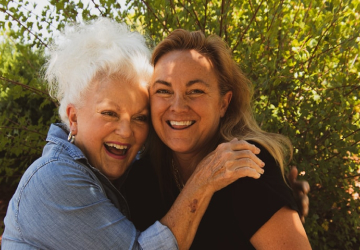
Empathy is a powerful, frequently underrated form of medicine that can drastically alter the trajectory of an individual’s aging process. As people grow older, managing chronic physical ailments, fluctuating moods, and the underlying anxiety of declining independence can become an overwhelming daily struggle. Having a deeply compassionate partner—whether that person is a dedicated spouse, a close friend, or a professional caregiver—completely transforms this experience by introducing a steady, reassuring presence into their lives.
When an older adult feels truly heard, understood, and emotionally validated, a profound physiological shift occurs within their body. Loving and empathetic environments have been scientifically proven to decrease cortisol and adrenaline levels, which in turn helps lower blood pressure and reduce chronic pain perception. A companion who listens patiently and acts with genuine kindness helps the elder co-regulate their emotions, effectively de-escalating moments of sudden confusion, frustration, or fear that often accompany aging.
Furthermore, a compassionate partner serves as an invaluable practical anchor for health management. They help track complex medication schedules, encourage nutritious eating habits, and act as a strong advocate during overwhelming medical appointments. By gently supporting the senior’s autonomy rather than overriding it, an empathetic companion gives them the emotional security and confidence needed to maintain control over their health, allowing them to face the vulnerabilities of aging with immense grace.